As part of the Digital Analytics Specialist programme at IHM Business School, we wrote an exam on the topic of a potential B2B expansion plan for the Google Merchandise store. The exam entailed the following requirements:
- Create a measurement plan for the Google merch store from scratch
- Using Looker Studio and Google Analytics 4, generate visuals that support the overall objectives of the measurement plan
- Provide an executive summary and evaluation on the business idea to establish reselling partners for the Google merch store.
Executive Summary
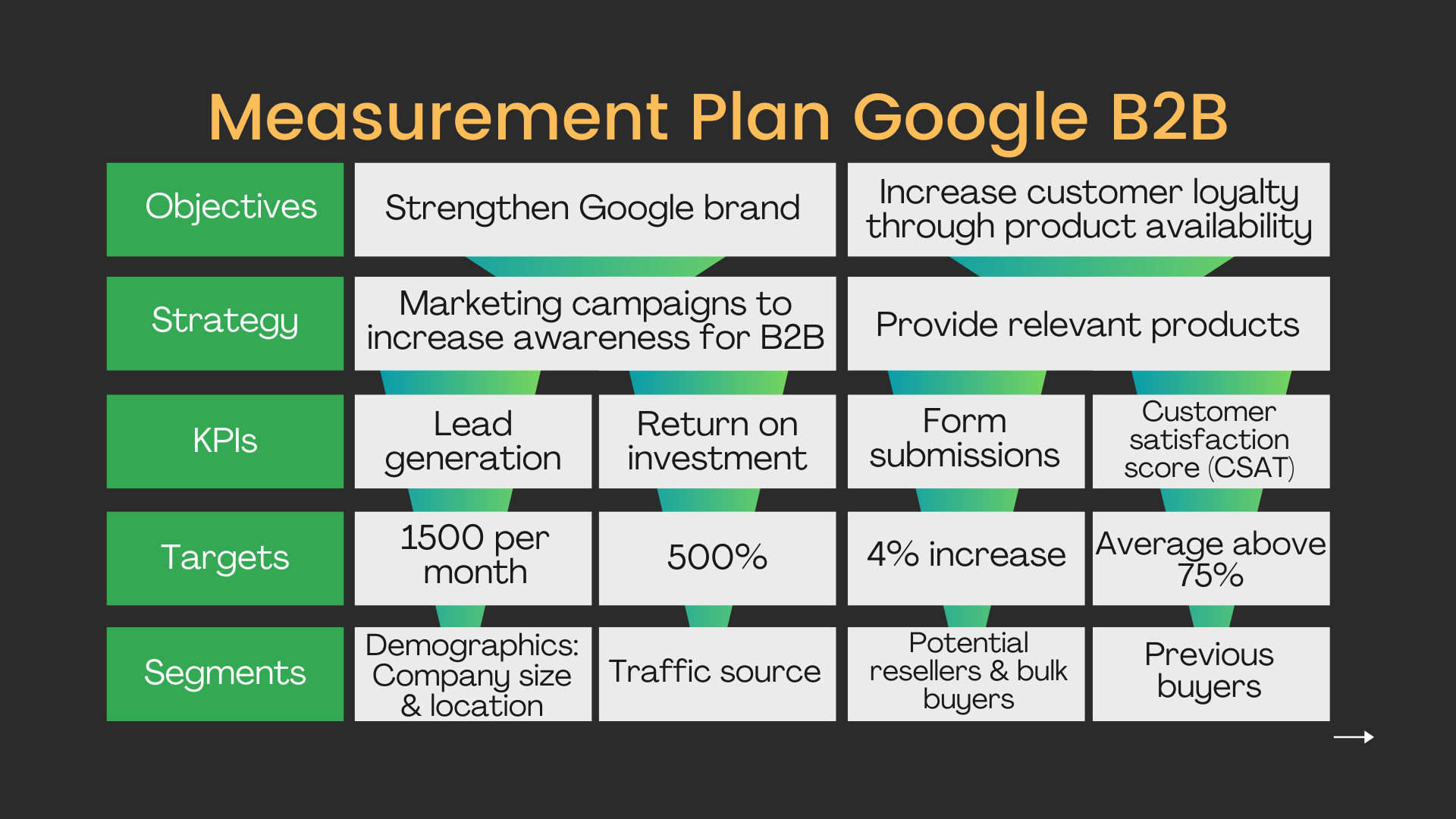
- Google Merchandise’s expansion into B2B through resellers all over the world could increase brand awareness, customer loyalty, and product availability.
- Drawing on the success of the merchandise store in the United States, the B2B branch should continuously be evaluated on its efficiency (ROI, lead generation cost, CSAT) during its development.
- It will require resources upfront to generate leads and vet potential resellers, but once established, the network can provide revenue streams for Google – especially outside the United States. Google will also be able to localize customer support and returns, reducing shipping costs and potentially personnel cost.
Measurement Plan for Google Merchandise’s Reselling Programme
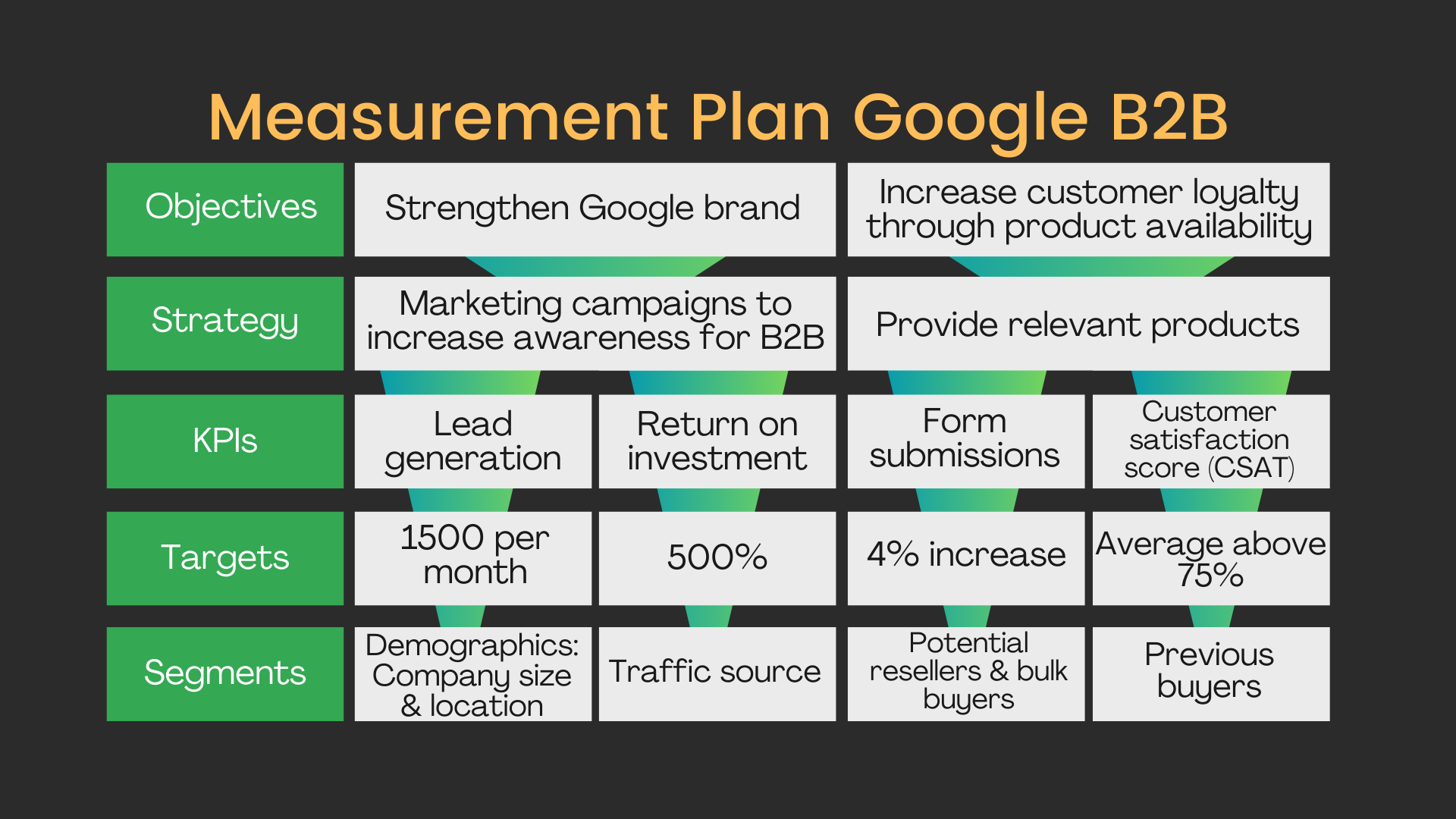
- Google Merchandise’s expansion into B2B through resellers all over the world could increase brand awareness, customer loyalty, and product availability.
- Drawing on the success of the merchandise store in the United States, the B2B branch should continuously be evaluated on its efficiency (ROI, lead generation cost, CSAT) during its development.
- It will require resources upfront to generate leads and vet potential resellers, but once established, the network can provide revenue streams for Google – especially outside the United States. Google will also be able to localize customer support and returns, reducing shipping costs and potentially personnel cost.
Identifying key touchpoints and potential markets
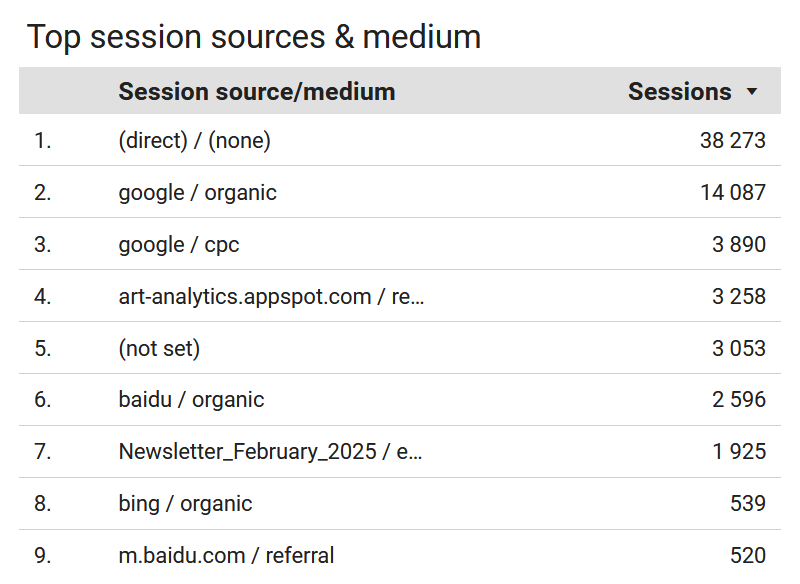
Top session sources and medium tell us where users interact with the Google homepage. CPC (cost per click) and newsletter marketing are bringing in good amounts of traffic, and Google should continue to use these for marketing the B2B business branch.
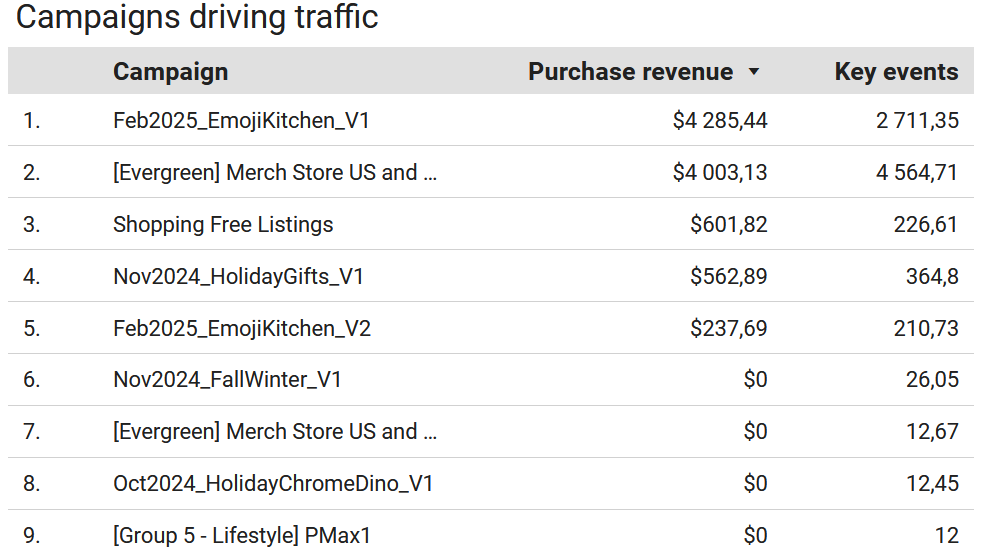
Seasonal sales, campaigns and launches bring in the most revenue and key events. This system should also be transferred over to the B2B branch. When continuing the expansion to other countries, Google Merchandise should customise the merch sold to the region (e.g. Taipei prints on shirts), as well as synchronise campaigns with local holidays.
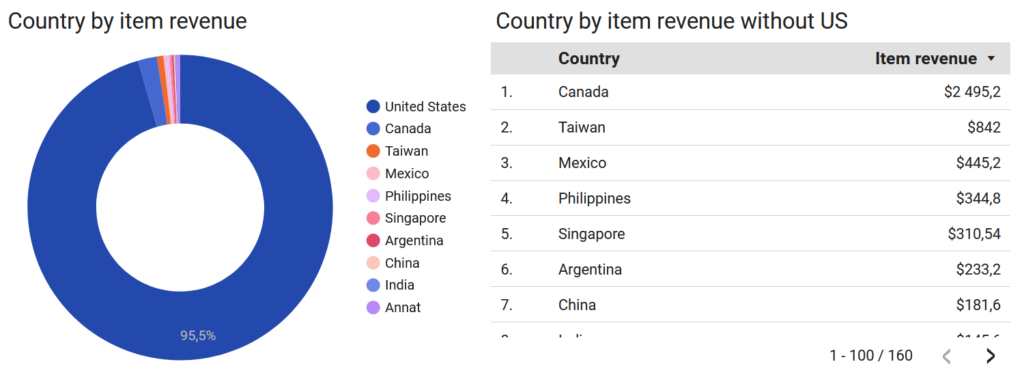
The United States is by far the largest market for the Google Merchandise store, with almost USD 1,8 million in item revenue in 2024. As the company ships domestically, it is difficult to imagine a need for Google merchandise resellers within the United States. Of course, Google could partner with companies and institutions domestically where logical – perhaps having top computer science universities such as Massachusetts Institute of Technology (MIT) or Stanford resell Google products.
However, there is great untapped potential outside of the United States. There is already interest in Google products in other countries, for example Canada and Taiwan. But how come they don’t account for a bigger part of the item revenue?
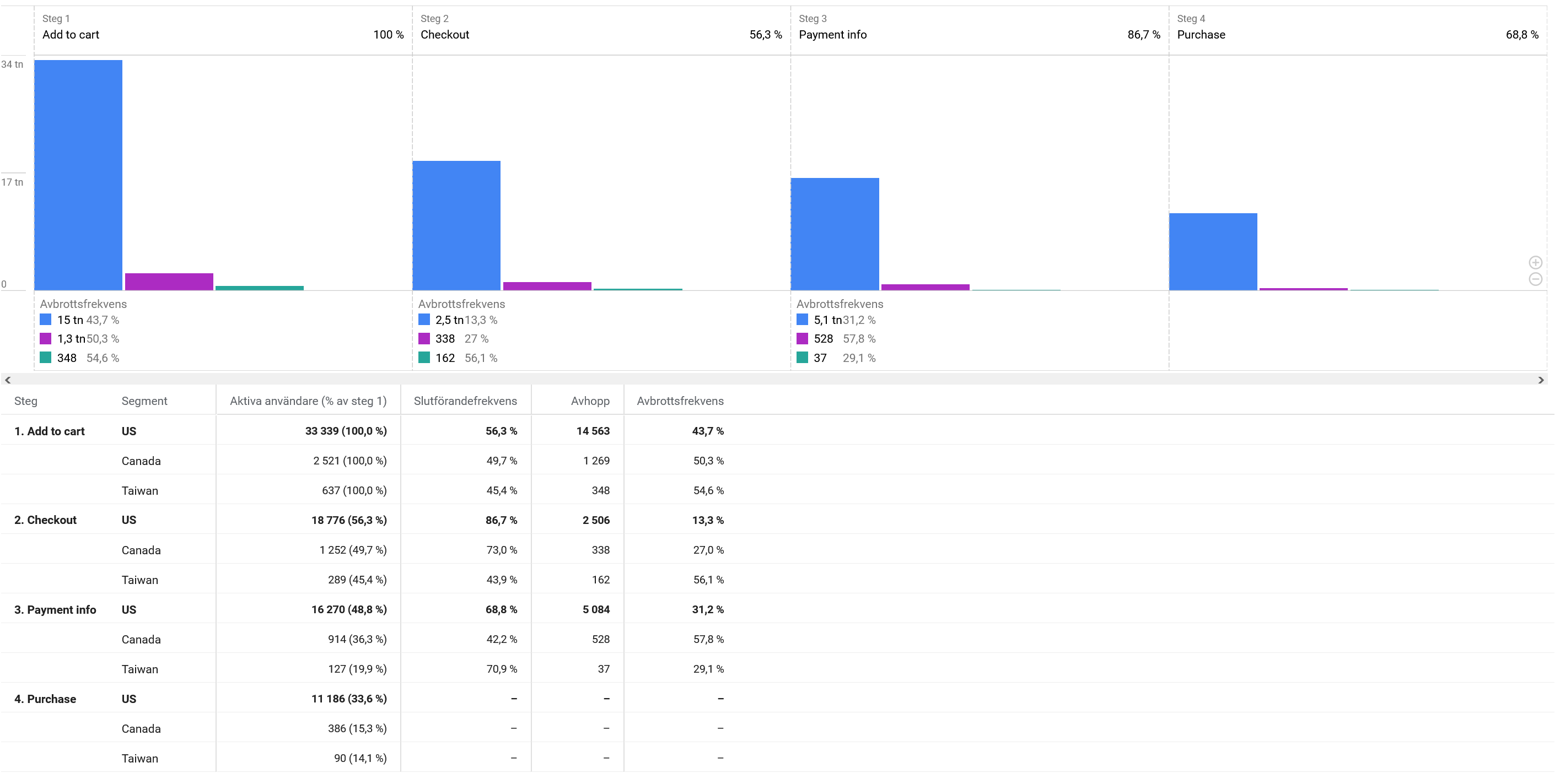
One possible reason is the shipping cost from the US to other regions in the world. Indeed, the abandonment rate after entering shipping info at the checkout was 39.5% for the US in 2024, compared to 67.8% in Canada and 67.5% in Taiwan.
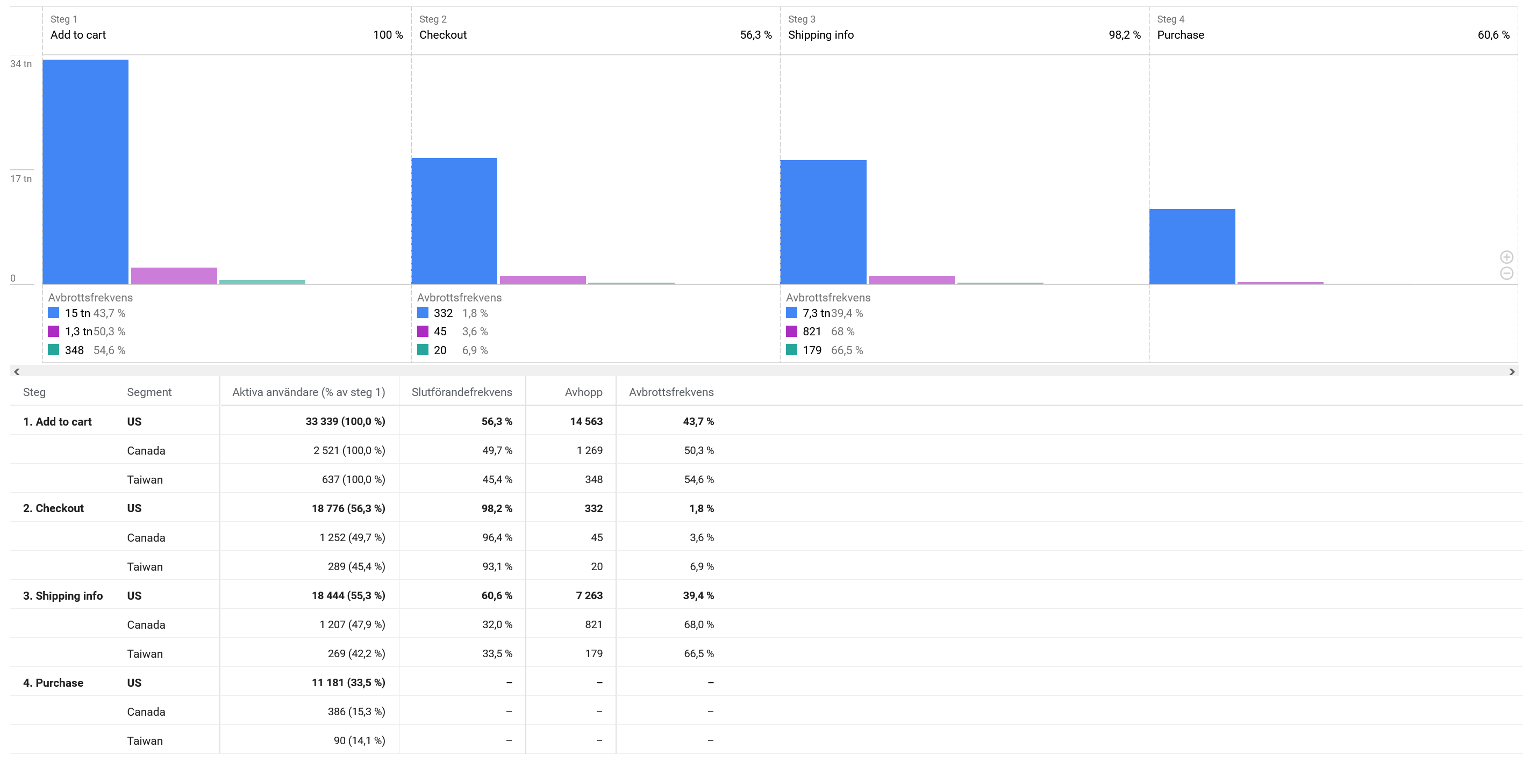
No suitable payment options is also a possible reason for a high abandonment rate. This could be a potential issue for Canadian users, as their abandonment rate after entering payment info came in at 57.5%, which is higher than both the US at 31.5% and Taiwan at 30.1%. It is also worth noting that entering shipping and payment info may take time, and that Google Analytics 4 is unable to connect a purchase to an earlier session.
If a reseller were to import products in bulk, then local customers would be able to choose domestic shipping and a local payment option that might be easier to use. Setting up a reselling network will require upfront resources from Google to verify that resellers are reputable and can continue building Google’s brand. Unserious resellers could harm Google’s image and in turn long-term revenue and customer trust. But if the collaboration is successful, Google can increase their revenue streams and branding abroad. Google can also outsource customer service and returns to resellers to reduce international shipping fees and localise support. In countries where wages are lower than in the US, personnel costs will be lower in handled locally.